DogBreeds Info
Information on Dog Breeds from Ato Z
|
How to Avoid BloatCondition
Bloat can be a very traumatic condition for puppies and grown dogs and most people do not have enough information on the topic to look for it and treat it correctly. It is mostly common for dog that come from medium sized breeds of dogs. It does not discriminate from male or female breeds, as both can obtain the condition. It can effect young pups to older, more mature ones. It is when there seems to be a gastric torsion inside the dog. There can be fluid or build up trapped inside the stomach and cause the stomach to feel as if it is being twisted or a tenderness in the area. The stomach can actually begin to twist in a motion that begins at the esophagus and ends at the upper intestines. Those arteries and internal organs begin to twist and in some dogs it can even take their lives.
What occurs first is the dog begins to experience shock of some form. This is simply because those veins from the stomach begin to not properly send the blood to circulate it back up to the heart. Once that occurs, the blood and oxygen that is being neglected to travel to the heart is absent and the dog begins to suffer from it. Those stomach walls and lining begin to rot out very quickly and some can even rupture. Some symptoms to look out for are when the dog appears to have a puffy or swollen tummy area. They can also begin to drool, vomit or cry as if they are in pain of some kind. They may become rather fussy, not lay down when they normally would or when the owner prompts them to do so. Often their gums will change colors it will go from a pale tone to deep red to blue and when they get tot his stage you know your pup is in serious trouble. The problem is while these symptoms sound as if the owner would be instantly alarmed that something is very present and harming their puppy or dog, many are too busy to sit down and evaluate the dog’s condition and it gets worse by the minute.
Some things to consider to avoid your pup getting the bloat condition is to never provide them with only one large meal each day. Instead, split them into two or three small ones throughout the day providing the dog with plenty of time to digest it and play freely afterward. Plenty of water along with their meal will help the digestive system perform more effectively as well. Do not allow your dog to run around and play too much after they have eaten and try to keep the hour to two hour rule in place after they have eaten as a good rule of thumb.
Related Articles Reasons to Choose Organic Dog Food 5 Common Household Toxins and Your Dog The Best Dogs for Senior Citizens Pros and Cons for Neutering or Spaying YourDog Basic Principals for Better Health andSafety of Dogs 5 Ways To Keep Your Dog Healthy and Safe How to Avoid Dehydration for Dogs How to Choose A Dog That's Right For You How to Get Your Dog to Stop Barking How To Avoid Worms In Your Dog Poisons To Keep Away From Your Dog Safety Dogs for Autistic Children Should You Buy From A Puppy Mill? Teaching Your Dog To Speak, Not Bark Buying a Dog From a Rescue: What To Look OutFor How to Puppy Proof Your Home5 Common Household Toxins and Your Dog 5 Tips For Dog Show Preparation Clipping Dog Nails: A How To Guide Children and Dogs: Is your Child Ready For aDog? Dogs and Fleas: How to Treat Your Dog'sFleas 5 Ways To Exercise With Your Dog Brushing Dog Teeth: A How To Guide Overweight Dog? The Doggy Diet 5 Useful Tips For Dog Paw Care When To Euthanize Your Dog: Making TheDecision How to Stop Your Dog From Jumping 5 Tips To Managing Shedding Dogs Where You Should Look to Find Your Puppy Three Main Keys to Owning a Healthy and HappyDog Dog First Aid: How To Treat Woundsand the Supplies You Need The Options for Paying Those Costly VetBills Tips to Maintain a Healthy Dog or Puppy forLife Things to Consider Before Buying a Puppy Useful Information for Dog Breeding Training Your Dog to Walk with a Leash Most Popular Dog and Puppy Names of 2011 Dealing with your Dog's Sleeping Habits Why You Really Shouldn't Feed Your DogScraps Why Don't Some Dogs Like Strangers? To Breed for the AKC Standards or Not Why You Should Check for Corn in Your DogFood Dealing With Your Dog's Ear Infection Shock Collars and Electric Dog Fences Foods to Keep Away From Your Dog Should You Feed Your Dog a Raw Food Diet? Calming Your Dog Around Thunder Things to Consider When Moving While Owning aDog Why You Should Get Your Dog Fixed Learning to Live With a Dog When You Don'tWant To What to Do if You Are Attacked By a Dog |
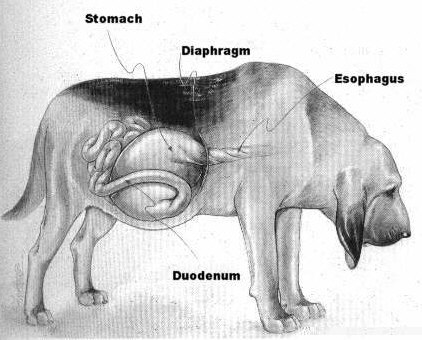 Raising a puppy can be a very rewarding time in a family’s life, but it also takes a good bit of time, money and effort to care for the dog properly. Keeping them healthy and staying on top of their shots and visits to the vet are just small ways you can ensure your dog will grow up strong and healthy. One thing that can happen to dogs is a condition called “bloat”.
|
Copyright 2010. All Rights Reserved.
www.dogbreedsinfo.org