DogBreeds Info
Information on Dog Breeds from Ato Z
|
Dog First Aid: How To Treat Woundsand the Supplies You Need
Why Should You Think AboutDog First Aid?: There is nothing worse than cominghome from work and realizing your dog has injured themselves. It is not just the pain and suffering they cango through, but the expense of having to get them back to good health is also to be considered. Pet insuranceis not affordable for all dog owners, so making certain your furry friend is always safe should be a toppriority. By purchasing a few good products and having them in the home for emergencies, you will be stepahead of the rest. How To Begin TreatingWounds: Every wound will have some way ofidentifying it to better treat it. For example, some wounds are very shallow and have penetrated well intothe muscle tissue, and others are just under the surface of the dog's skin. To start, you must cleanse yourhands and then cleanse the wound. If you have some form of saline liquid or even soap that is antibacterialwill suffice to clean the dog's wound. Use some brand of cream or ointment over the wound just as you wouldfor a small child that has scraped their knee. Covering TheWound: It is extremely important to coverthe wound once you have cleaned it properly. This is for a few reasons, mostly to keep your dog safe fromchewing at their wound or biting at the gauze or tape. They all have a tendency to try to get any type ofbandage off rather quickly because they do not like them. Ensure you have wrapped it well, but not too tightthat it becomes constricting. Dog First AidSupplies: You should always have a supply ofitems needed to care for your dog should they ever become injured. Major pet supply stores will have kitsalready made up for sale and you can also obtain bandages and dog specific creams and ointments to treat scrapes,wounds and even burns for your canine. Some of the smaller scale kits can be as low as ten dollars topurchase with the larger kits slightly higher in price. Also, consult with your vet to get any additional tips andtechniques to use at home with your canine in the event an injury takes place, you will be glad youdid! Related Articles
Reasons to Choose Organic Dog Food The Best Dogs for Senior Citizens Basic Principals for Better Health andSafety of Dogs 5 Ways To Keep Your Dog Healthy and Safe How to Avoid Dehydration for Dogs How to Choose A Dog That's Right For You How to Get Your Dog to Stop Barking How To Avoid Worms In Your Dog Poisons To Keep Away From Your Dog Safety Dogs for Autistic Children Buying a Dog From a Rescue: What To Look OutFor 5 Common Household Toxins and Your Dog 5 Tips For Dog Show Preparation Clipping Dog Nails: A How To Guide Children and Dogs: Is your Child Ready For aDog? Dogs and Fleas: How to Treat Your Dog'sFleas 5 Ways To Exercise With Your Dog Brushing Dog Teeth: A How To Guide Overweight Dog? The Doggy Diet 5 Useful Tips For Dog Paw Care When To Euthanize Your Dog: Making TheDecision How to Stop Your Dog From Jumping 5 Tips To Managing Shedding Dogs Where You Should Look to Find Your Puppy Three Main Keys to Owning a Healthy and HappyDog Dog First Aid: How To Treat Woundsand the Supplies You Need The Options for Paying Those Costly VetBills Tips to Maintain a Healthy Dog or Puppy forLife Things to Consider Before Buying a Puppy Useful Information for Dog Breeding Training Your Dog to Walk with a Leash Most Popular Dog and Puppy Names of 2011 Dealing with your Dog's Sleeping Habits Why You Really Shouldn't Feed Your DogScraps Why Don't Some Dogs Like Strangers? To Breed for the AKC Standards or Not Why You Should Check for Corn in Your DogFood Dealing With Your Dog's Ear Infection Shock Collars and Electric Dog Fences Foods to Keep Away From Your Dog Should You Feed Your Dog a Raw Food Diet? Calming Your Dog Around Thunder Things to Consider When Moving While Owning aDog Why You Should Get Your Dog Fixed Learning to Live With a Dog When You Don'tWant To What to Do if You Are Attacked By a Dog |
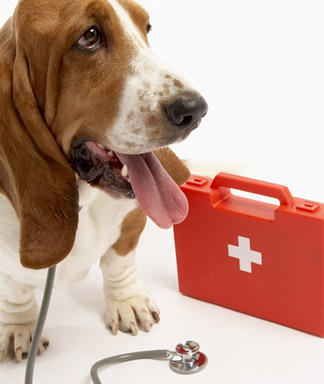 Are you proficient in dog first aid? Do you know how to treat wounds and the supplies you need to care for them? Most pet owners do not know how to care for their animals. It is much like a parent that does not know CPR, but yet can raise a healthy child no problem. Owning a dog means thinking about the unexpected to ensure your animal will be safe at all times. They will pull objects on top of themselves, and they will also touch hot surfaces and step on sharp objects, it is merely a fact of life for dogs. Take the appropriate steps to start in the right direction for a safe and healthy pet for life.
|
Copyright 2010. All Rights Reserved.
www.dogbreedsinfo.org