DogBreeds Info
Information on Dog Breeds from Ato Z
|
5 Tips To Find Your LostDog
Tip #1: Keep Your Emotions In Check Anytime a stressful event takes place in your life you have two options. Youcan either focus and think of a plan to execute, or you can allow the feelings of confusion take over and that willnot help find your furry friend. Stay calm when you realize that your animal is missing and the easier youbecome relaxed, the quicker you can get to the bottom of the mystery. Tip #2: Use Your Memory To Find The Dog First, you must recall when the last time was you saw the dog. If you leftfor work in the morning and the animal was present, then you know they got lose at some point during the day. Those that have fences in their yards with dog doors to access the outdoors commonly have this issue of missingpets. The dog gets bored during the day, hops the fence and roams the neighborhood all day long. Inother cases, you may have lost your animal at a dog park or walking trail. Thankfully, most of those areasare closed or sectioned off to prevent losing animals and even in some situations, children as well. Tip #3: Revisit The Places You Last Were With TheDog Start by retracing your steps during the day. If you went out somewhere whenyou lost the dog then walk around the perimeter of the shops, park or walking trails you both were on in the eventyou can pass by your pet. Often, many shop owners or joggers will grab the dog and begin walking the samearea to hopefully find the owner and return the animal safely. Tip #4: Create A Media Frenzy To Get Your Dog Back HomeSafely Make yourself something to help locate the dog to strangers. This meanscreating some flyers, posters, and posting on the web anywhere you can. It is quite amazing the power that abasic flyer can do. Once the public can see a photo or even a drawing of your canine, they can easilyidentify it if they cross paths. Clearly mark the posters by placing your phone number or email address on itfor any inquires or information you may receive. Tip #5 Use Gratitude When You Find The Dog In the event you are fortunate enough to locate your dog or puppy by thethoughtfulness of another person, be sure to express that gratitude. Some people will offer a reward of somemonetary denomination, and others will simply thank them quite a bit. Depending on how long the dog wasmissing and what the caregiver did to watch over the pet until you were found is how you should base their rewardoff of.
Related Articles
Reasons to Choose Organic Dog Food The Best Dogs for Senior Citizens Basic Principals for Better Health andSafety of Dogs 5 Common Household Toxins and Your Dog 5 Ways To Keep Your Dog Healthy and Safe How to Avoid Dehydration for Dogs How to Choose A Dog That's Right For You How to Get Your Dog to Stop Barking How To Avoid Worms In Your Dog Poisons To Keep Away From Your Dog Safety Dogs for Autistic Children Buying a Dog From a Rescue: What To Look OutFor How to Puppy Proof Your Home5 Common Household Toxins and Your Dog 5 Tips For Dog Show Preparation Clipping Dog Nails: A How To Guide Children and Dogs: Is your Child Ready For aDog? Dogs and Fleas: How to Treat Your Dog'sFleas 5 Ways To Exercise With Your Dog Brushing Dog Teeth: A How To Guide Overweight Dog? The Doggy Diet 5 Useful Tips For Dog Paw Care When To Euthanize Your Dog: Making TheDecision How to Stop Your Dog From Jumping 5 Tips To Managing Shedding Dogs Where You Should Look to Find Your Puppy Three Main Keys to Owning a Healthy and HappyDog Dog First Aid: How To Treat Woundsand the Supplies You Need The Options for Paying Those Costly VetBills Tips to Maintain a Healthy Dog or Puppy forLife Things to Consider Before Buying a Puppy Useful Information for Dog Breeding Training Your Dog to Walk with a Leash Most Popular Dog and Puppy Names of 2011 Dealing with your Dog's Sleeping Habits Why You Really Shouldn't Feed Your DogScraps Why Don't Some Dogs Like Strangers? To Breed for the AKC Standards or Not Why You Should Check for Corn in Your DogFood Dealing With Your Dog's Ear Infection Shock Collars and Electric Dog Fences Foods to Keep Away From Your Dog Should You Feed Your Dog a Raw Food Diet? Calming Your Dog Around Thunder Things to Consider When Moving While Owning aDog Why You Should Get Your Dog Fixed Learning to Live With a Dog When You Don'tWant To What to Do if You Are Attacked By a Dog |
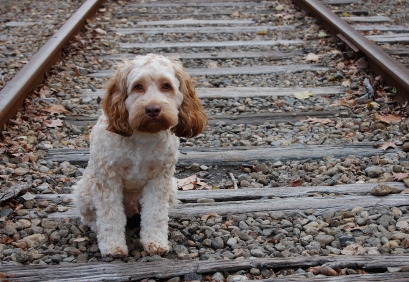 Losing a dog can be one of the most horrifying experiences; it can even be similar to losing a child in a store. You become terrified as to their whereabouts and panic instantly. Before you continue down an emotional path of worry, think clearly and retrace your steps.
|
Copyright 2010. All Rights Reserved.
www.dogbreedsinfo.org