DogBreeds Info
Information on Dog Breeds from Ato Z
|
Better Training for YourDog
To determine what method of training is best for teaching a dog, the owner must first define for themselves what the goal of training actually is and what they hope to get out of it. For the most part, the concept of training can be individually defined but for the most part it can be generally defined as improving the dog's behavior. Owners ca also train their pets to perform certain tricks but before any of that can be accomplished one must first be concerned with training their dog to behave properly. There are two primary elements of training a pet: positive reinforcement and discipline. Positive reinforcement's primary goal is to reinforce good behavior with something positive. An example of positive reinforcement would be giving the dog a treat when it comes to the owner when called. An example of discipline is making the dog go to its crate when it misbehaves. Both of these are vital tools at the dog owner's disposal and they should be utilized to their fullest extent.
Positive reinforcement is definitely a tool that any dog owner should utilize. If the owner is against striking their dog, they're almost certainly going to want to make sure that they really reinforce their pet's good behavior. The two best ways to do this would be to either vocally or with a treat. A vocal reinforcement would be an owner exclaiming to their pet in an uplifting, positive tone that the pet is doing well and has made the correct decision. The second method of positive reinforcement, giving the dog a treat, is both fast and effective. The treat can be something the owner has bought in a store, has made themselves or it can even be “people food”. Often times, using a treat either bought in a store or made from a dog-treat specific recipe is the best way to go because food meant for humans may have an ill-effect on dogs. Chocolate for example is something that dogs cannot have in a large quantity because it can be fatal.
Discipline is also something necessary in the training of any dog. This is the part of training that neither the dog nor the owner like but if not done properly it will be of no use. To properly discipline a dog, the owner must be sure the dog knows what it did and know that it was wrong in doing so. Two ways to achieve this is to either confine the dog in a “timeout” in their cage or through light physical contact. For a person against hitting their dog, a timeout is the best way to go but may not fully convey the gravity of the situation. So long as the hit is not overly hard and not for a small crime, it is okay. Using personal judgment is often the best way to avoid abuse. Also remembering that if it feels like abuse, it most definitely is! Properly training a dog can avoid a lot of trouble down the road. Not only will the owner get a better trained dog out of it, but both the dog and the owner will bond over the experience. If the training is conducted in a proper manner and the owner knows what they're doing, it can be a very rewarding experience for both parties involved.
Related Articles Reasons to Choose Organic Dog Food 5 Common Household Toxins and Your Dog The Best Dogs for Senior Citizens Pros and Cons for Neutering or Spaying YourDog Basic Principals for Better Health andSafety of Dogs 5 Ways To Keep Your Dog Healthy and Safe How to Avoid Dehydration for Dogs How to Choose A Dog That's Right For You How to Get Your Dog to Stop Barking How To Avoid Worms In Your Dog Poisons To Keep Away From Your Dog Safety Dogs for Autistic Children Should You Buy From A Puppy Mill? Teaching Your Dog To Speak, Not Bark Buying a Dog From a Rescue: What To Look OutFor How to Puppy Proof Your Home5 Common Household Toxins and Your Dog 5 Tips For Dog Show Preparation Clipping Dog Nails: A How To Guide Children and Dogs: Is your Child Ready For aDog? Dogs and Fleas: How to Treat Your Dog'sFleas 5 Ways To Exercise With Your Dog Brushing Dog Teeth: A How To Guide Overweight Dog? The Doggy Diet 5 Useful Tips For Dog Paw Care When To Euthanize Your Dog: Making TheDecision How to Stop Your Dog From Jumping 5 Tips To Managing Shedding Dogs Where You Should Look to Find Your Puppy Three Main Keys to Owning a Healthy and HappyDog Dog First Aid: How To Treat Woundsand the Supplies You Need The Options for Paying Those Costly VetBills Tips to Maintain a Healthy Dog or Puppy forLife Things to Consider Before Buying a Puppy Useful Information for Dog Breeding Training Your Dog to Walk with a Leash Most Popular Dog and Puppy Names of 2011 Dealing with your Dog's Sleeping Habits Why You Really Shouldn't Feed Your DogScraps Why Don't Some Dogs Like Strangers? To Breed for the AKC Standards or Not Why You Should Check for Corn in Your DogFood Dealing With Your Dog's Ear Infection Shock Collars and Electric Dog Fences Foods to Keep Away From Your Dog Should You Feed Your Dog a Raw Food Diet? Calming Your Dog Around Thunder Things to Consider When Moving While Owning aDog Why You Should Get Your Dog Fixed Learning to Live With a Dog When You Don'tWant To What to Do if You Are Attacked By a Dog |
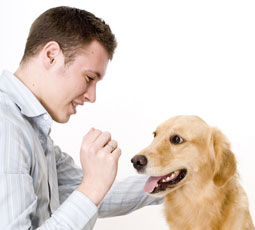 Every dog owner knows that a poorly trained dog is going to not only cause them a headache but be a general pain for anyone who has to deal with the dog. Every dog owner should also know that, like children, dogs must learn how to properly behave at a young age. If an owner does not properly instruct their dog at a young age how to properly behave, they run the risk of not only having a dog that chronically misbehaves, but is totally uncontrollable. The first thing a dog owner has to decide is how they're going to go about training their dog. There are several different methods to choose from depending on anything from discipline to how old the dog is and even the individual dog's breed. The first thing an owner has to do is determine what method of teaching is best for them.
|
Copyright 2010. All Rights Reserved.
www.dogbreedsinfo.org