DogBreeds Info
Information on Dog Breeds from Ato Z
|
How To Potty Train YourDog
Tip #1 StartEarly: Obtain your pup from a very reputablebreeder or organization that can start the training process for you from birth. Most decent breeders willstart this and then the pups will begin to have some basis to continue their training. The earlier you begin yourtraining the better the process will start to become once you have a puppy that is a few weeksold. Tip #2 Confine YourPuppy: When you are away or at work forhours during the day, it is imperative that you confine the puppy so that it can relieve itself. Everyone inthe home should be practicing this method as it will save you time and money over household furnishings that mayget destroyed in the process. If they can be secured in an open space, make sure it is one that bodes a tileflooring or at least one without carpeting to ensure no stains or smells will come of it. Tip #3 Stick To ASchedule: Just like a baby will need to bepotty trained and fed on a routine schedule, so will a puppy. Keeping them on a schedule will increase theirawareness level of when and where they will need to go outside. When you leave for work in the morning, whenyou return from work and just before you go to bed at night are all great times to begin with. Stick to theschedule and if you will not be able to take your dog out during those regular time periods, then aim to getsomeone else such as a neighbor to do so. Tip #4 Feeding At TheRight Times: Potty training your dog can be achore when the animal is eating and drinking all day long. Do not leave bowls of water or food out for thedog to graze on all day as it only sets them up for disaster. They will have more accidents and also becomemore susceptible to pet obesity by engaging in this. Always feed them a few hours at least before they areheading to bed for the evening to avoid any issues through the night. Last Tips For DogTraining: Potty training an animal requiressome patience, if you feel you are not up to the challenge it may be better off to adopt to a dog that is alreadytrained. They do not have to be dogs that are a few years old either, some can be still less than year oldand successfully trained. Related Articles
Reasons to Choose Organic Dog Food The Best Dogs for Senior Citizens Basic Principals for Better Health andSafety of Dogs 5 Ways To Keep Your Dog Healthy and Safe How to Avoid Dehydration for Dogs How to Choose A Dog That's Right For You How to Get Your Dog to Stop Barking How To Avoid Worms In Your Dog Poisons To Keep Away From Your Dog Safety Dogs for Autistic Children Buying a Dog From a Rescue: What To Look OutFor 5 Common Household Toxins and Your Dog 5 Tips For Dog Show Preparation Clipping Dog Nails: A How To Guide Children and Dogs: Is your Child Ready For aDog? Dogs and Fleas: How to Treat Your Dog'sFleas 5 Ways To Exercise With Your Dog Brushing Dog Teeth: A How To Guide Overweight Dog? The Doggy Diet 5 Useful Tips For Dog Paw Care When To Euthanize Your Dog: Making TheDecision How to Stop Your Dog From Jumping 5 Tips To Managing Shedding Dogs Where You Should Look to Find Your Puppy Three Main Keys to Owning a Healthy and HappyDog Dog First Aid: How To Treat Woundsand the Supplies You Need The Options for Paying Those Costly VetBills Tips to Maintain a Healthy Dog or Puppy forLife Things to Consider Before Buying a Puppy Useful Information for Dog Breeding Training Your Dog to Walk with a Leash Most Popular Dog and Puppy Names of 2011 Dealing with your Dog's Sleeping Habits Why You Really Shouldn't Feed Your DogScraps Why Don't Some Dogs Like Strangers? To Breed for the AKC Standards or Not Why You Should Check for Corn in Your DogFood Dealing With Your Dog's Ear Infection Shock Collars and Electric Dog Fences Foods to Keep Away From Your Dog Should You Feed Your Dog a Raw Food Diet? Calming Your Dog Around Thunder Things to Consider When Moving While Owning aDog Why You Should Get Your Dog Fixed Learning to Live With a Dog When You Don'tWant To What to Do if You Are Attacked By a Dog |
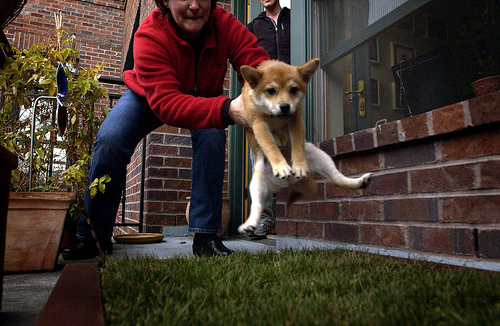 In most cases, owning a dog can be rather similar to becoming a parent for the first time. There is so much to learn and you may only obtain some information through trial and error and years of experience. Dogs will get into things they have no business getting into and they will also need to learn how to run alongside of you, walk on a leash and even eat properly. Another big component to having a healthy dog is to learn successfully how to potty train your dog.
|
Copyright 2010. All Rights Reserved.
www.dogbreedsinfo.org