DogBreeds Info
Information on Dog Breeds from Ato Z
|
Brushing Dog Teeth: A How ToGuide
Why Should You Brush YourDog’s Teeth, Anyways? There are endless reasons why a dogowner should care properly for their canine’s teeth, but the most obvious is the onset of plaque building up overtime. Many dogs suffer from gingivitis and even periodontal disease. If your dog develops this diseasethey are susceptible to more serious aliments involving the kidneys, liver, and heart. Dog Teeth BrushingSupplies: Now that you know why it is socrucial to care for your pup’s teeth, you will need some supplies to get the job done. A toothbrush forstarters is essential, which you can locate inside any pet supply store, generally they are made with bristles thatare a bit softer than a human toothbrush. They manufacture ones that are shaped as a regular one with ahandle and ones that are to fit directly over the finger as well. An enzymatic toothpaste is a popular vetrecommendation, but finding one that your dog enjoys the taste or flavor of seems to be the most helpful. Tomake the process even simpler, the suppliers have now designed pastes that are flavored in beef and poultry flavorsto encourage your pet to try it. Brushing Your Dog’sTeeth: Getting to the best part of thehygiene lesson, the actual brushing. While some may fear the dog will not allow them to perform this task,most actually are not too bothered by it as they love any type of attention from their owners. Do notattempt to hold back or restrain the animal with any force as this is what will cause a healthy fear in them forfuture brushings. Instead, hold your hand out with the finger brush and even some paste on it and allow themto lick or chew on it a bit. They will allow you to advance with the brushing once you have gained theirtrust with the products. Other Dog Brushing Tips andAdvice: Some people feel it is easier to usesome other alternative dental cleaning products on the side in between brushing for optimal dental health. These are items such as rubber food toys, and rope toys that are made specifically for cleaning teeth. Somebones can even aide with bad dog breathe as well. A FinalNote: All new dog owners have a growingperiod where they must learn about how to care for their dog. Some owners even get to the point where theyfeel they cannot complete certain tasks with their canine and they take the animal to the vet to have their teethcleaned. Do not be discouraged, this will be an easy task the more often you completeit. Related Articles
Reasons to Choose Organic Dog Food The Best Dogs for Senior Citizens Basic Principals for Better Health andSafety of Dogs 5 Ways To Keep Your Dog Healthy and Safe How to Avoid Dehydration for Dogs How to Choose A Dog That's Right For You How to Get Your Dog to Stop Barking How To Avoid Worms In Your Dog Poisons To Keep Away From Your Dog Safety Dogs for Autistic Children Buying a Dog From a Rescue: What To Look OutFor 5 Common Household Toxins and Your Dog 5 Tips For Dog Show Preparation Clipping Dog Nails: A How To Guide Children and Dogs: Is your Child Ready For aDog? Dogs and Fleas: How to Treat Your Dog'sFleas 5 Ways To Exercise With Your Dog Brushing Dog Teeth: A How To Guide Overweight Dog? The Doggy Diet 5 Useful Tips For Dog Paw Care When To Euthanize Your Dog: Making TheDecision How to Stop Your Dog From Jumping 5 Tips To Managing Shedding Dogs Where You Should Look to Find Your Puppy Three Main Keys to Owning a Healthy and HappyDog Dog First Aid: How To Treat Woundsand the Supplies You Need The Options for Paying Those Costly VetBills Tips to Maintain a Healthy Dog or Puppy forLife Things to Consider Before Buying a Puppy Useful Information for Dog Breeding Training Your Dog to Walk with a Leash Most Popular Dog and Puppy Names of 2011 Dealing with your Dog's Sleeping Habits Why You Really Shouldn't Feed Your DogScraps Why Don't Some Dogs Like Strangers? To Breed for the AKC Standards or Not Why You Should Check for Corn in Your DogFood Dealing With Your Dog's Ear Infection Shock Collars and Electric Dog Fences Foods to Keep Away From Your Dog Should You Feed Your Dog a Raw Food Diet? Calming Your Dog Around Thunder Things to Consider When Moving While Owning aDog Why You Should Get Your Dog Fixed Learning to Live With a Dog When You Don'tWant To What to Do if You Are Attacked By a Dog |
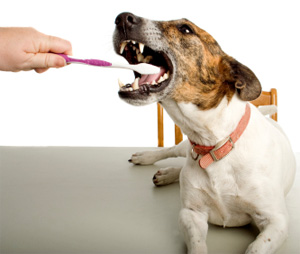 Just as on humans, dogs also require a healthy smile as well. Most doctors will advise you that one can tell a lot about a person and their overall current state of health just by what their teeth look like. Brushing your dog’s teeth is a simple process once you have a good system down. The following tips may be just what you were seeking to gain a glowing grin from your pup!
|
Copyright 2010. All Rights Reserved.
www.dogbreedsinfo.org