How to Crate Train YourDog 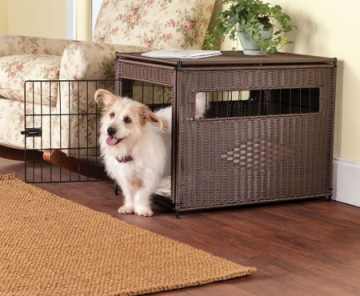 Dogs have an instinctual desire for a den. The den gives them a feeling of safety and security. Effective crating of your dog depends on your ability to make your chosen crate into his desired den. Crates come in three basic types: wire, solid, and cloth. Wire works well if you live in hot, humid climes and need something that collapses. Some dogs prefer a crate with visibility. Solid-plastic crates work better for dogs that prefer privacy. If you have travel plans that include your dog, check crate requirements and restrictions on the airlines you normally use and buy your crate accordingly. Cloth crates have the advantage of seclusion, collapsibility, and light weight. Dogs have an instinctual desire for a den. The den gives them a feeling of safety and security. Effective crating of your dog depends on your ability to make your chosen crate into his desired den. Crates come in three basic types: wire, solid, and cloth. Wire works well if you live in hot, humid climes and need something that collapses. Some dogs prefer a crate with visibility. Solid-plastic crates work better for dogs that prefer privacy. If you have travel plans that include your dog, check crate requirements and restrictions on the airlines you normally use and buy your crate accordingly. Cloth crates have the advantage of seclusion, collapsibility, and light weight.
Pick a size that allows just enough room for an adult dog of your breed to lay down, turn around, stand, and get adrink. Making it too large encourages defecation in the crate. Ideally one would have several crates to match thesize of a growing dog, but costs prohibit that for most of us. Extra care and attention with your puppy will avoidmost “accidents.” Chose the crate that best balances your needs against the needs of your dog.
Keep everything about your crate positive. Never use the crate as a punishment, never punish a dog in the crate,never punish your dog outside the crate for something done in the crate. Remember you want to create a den. Locatethe crate near you to start. Stay in the room. The dog will view isolation as negative. Wire the door to the crateopen. Your dog should have the freedom to come and go as he pleases.
Use positive incentives such as treats, toys, water, and a soft blanket to lure your dog into the crate. Never pushyour dog into the crate. Make it their idea. Praise them for going into their crate. Allow them to come right backout of the crate without any hint of disapproval. Get them used to the crate over several days. Take your time.After your dog gets used to the crate, shut the door for a few minutes. Stay in the room with them. Start withfifteen to thirty minutes the first time.
At this point the savvy owner needs to understand the age appropriate capabilities of their pet. A baby dogphysically has less bladder and sphincter control then an adult dog. Only a cruel parent would punish their babyfor dirtying his diaper, and yet dog owners will sometimes punish a baby dog for going in his crate. Prior toallowing your pet to enter the crate, make sure that they have ample opportunity to empty their bladder and bowels.Confine them in the crate in accordance with the age rated capabilities.
9-10 weeks
Approximately 30-60 minutes 11-14 weeks Approximately 1-3 hours 15-16 weeks Approximately 3-4 hours 17 + weeks Approximately 4+ hours *
*Never confine any dog more than five hours in a crate. Figures taken from the American Dog Trainer's Network(http://www.inch.com/~dogs/cratetraining.html) Related Articles 5 Tips on Training Your Dog Reasons to Choose Organic Dog Food Popular Dog Breeds for Pets 5 Common Household Toxins and Your Dog 5 Tips for Naming Your Dog The Best Dogs for Senior Citizens Housebreaking Your Dog How to Travel With Your Dog Basic Principals for Better Health andSafety of Dogs Advice For Feeding Dogs 5 Ways To Keep Your Dog Healthy and Safe Dog Accessories Dog Breeding Information On Dog Parks Dog Shows Dog Toys Dog Training Tips Doggy Daycare Dog Owner Edicit Health Insurance For Your Dog How to Avoid Dehydration for Dogs How to Avoid Bloat Condition How to Choose A Dog That's Right For You How to Get Your Dog to Stop Barking How To Avoid Worms In Your Dog Dogs and Seperation Anxiety Better Training for Your Dog Places To Buy A Dog Poisons To Keep Away From Your Dog Safety Dogs for Autistic Children 5 Tips to Find Your Lost Dog Buying a Dog From a Rescue: What To Look OutFor How to Crate Train Your Dog How to Puppy Proof Your Home 5 Common Household Toxins and Your Dog 5 Tips For Dog Show Preparation Clipping Dog Nails: A How To Guide Children and Dogs: Is your Child Ready For aDog? Dogs and Fleas: How to Treat Your Dog'sFleas 5 Ways To Exercise With Your Dog Brushing Dog Teeth: A How To Guide No-Kill Shalters: Quick Facts Overweight Dog? The Doggy Diet Dealing With Dog Nipping 5 Useful Tips For Dog Paw Care When To Euthanize Your Dog: Making TheDecision Dog Tears: Preventing Stains How to Stop Your Dog From Jumping 5 Tips To Managing Shedding Dogs Top 5 Healthiest Dog Foods How To Potty Train Your Dog What are Lap Dogs? Where You Should Look to Find Your Puppy Winning the War on Fleas What Not to Feed Your Dog Three Main Keys to Owning a Healthy and HappyDog Dog First Aid: How To Treat Woundsand the Supplies You Need The Options for Paying Those Costly VetBills Tips to Maintain a Healthy Dog or Puppy forLife To Hire a Dog Sitter or Not Things to Consider Before Buying a Puppy Useful Information for Dog Breeding Training Your Dog to Walk with a Leash Top 9 Canine Breeds to Adopt Most Popular Dog and Puppy Names of 2011 Dealing with your Dog's Sleeping Habits Why Dogs Become Aggressive Dealing With an Itchy Dog What Makes a Good Guard Dog? Why You Really Shouldn't Feed Your DogScraps Why Don't Some Dogs Like Strangers? Why Dogs Make Poor Gifts Puppy Love To Breed for the AKC Standards or Not Why You Should Check for Corn in Your DogFood Dealing With Your Dog's Ear Infection Shock Collars and Electric Dog Fences The History of the Iditarod Foods to Keep Away From Your Dog Should You Feed Your Dog a Raw Food Diet? Calming Your Dog Around Thunder Things to Consider When Moving While Owning aDog Why You Should Get Your Dog Fixed Dog Houses and Kennels Let's Get Moving! Supplies for Dogs You Dog, Your Debt, and You A Vulnerable Dog Skin Learning to Live With a Dog When You Don'tWant To Dogs and Bones How to Clicker Train Your Dog What to Do if You Are Attacked By a Dog Telling the Difference BetweenPlayfulness and Aggression Car Safety for Your Dog Helping Your Dog Handle Fear Being Able to Sense When Your Dog is Sick |