DogBreeds Info
Information on Dog Breeds from Ato Z
|
No-Kill Shelters: QuickFacts
2. How is this different thana traditional facility? They're still killing animals! 3. So what is an untreatableanimal and what is a treatable animal? Eight weeks of age or older with nosigns of behavioral or temperamental defects that could post health or safety risks or otherwise make the animalunsuitable for placement. Animals that have manifested no signof disease, injury, or congenital or hereditary condition that adversely affects their health or is likely to inthe future. They may not euthanize older dogsthat are deaf, blind, disfigured or disabled as they are still adoptable. Treatable animals that are notadoptable when received but with proper treatment can be adopted are not to be euthanized. Sick, traumatized, young orunsocialized dogs must receive appropriate medical treatment, behavior modification and/or foster care to make themhealthy and ready for home placement. Animals that are permitted to beeuthanized under California's law are as follows: Younger than 8weeks Those animals that have behavioral ortemperamental defects that would make them unsafe to have in the home Those that are a health or safetyrisk or otherwise unsuitable for placement Animals who have manifested signs ofdisease, injury, congenital or hereditary conditon that affects or is likely to affect in thefuture 4. How do they handlepopulation control in their shelters if they rarely euthanize? 5. My shelter is a limitedadmission no-kill shelter. What does this mean? 6. How are the no-killfacilities staffed? 7. What adoption programs areused at no-kill facilities? Related Articles
Reasons to Choose Organic Dog Food The Best Dogs for Senior Citizens Basic Principals for Better Health andSafety of Dogs 5 Ways To Keep Your Dog Healthy and Safe How to Avoid Dehydration for Dogs How to Choose A Dog That's Right For You How to Get Your Dog to Stop Barking How To Avoid Worms In Your Dog Poisons To Keep Away From Your Dog Safety Dogs for Autistic Children Buying a Dog From a Rescue: What To Look OutFor 5 Common Household Toxins and Your Dog 5 Tips For Dog Show Preparation Clipping Dog Nails: A How To Guide Children and Dogs: Is your Child Ready For aDog? Dogs and Fleas: How to Treat Your Dog'sFleas 5 Ways To Exercise With Your Dog Brushing Dog Teeth: A How To Guide Overweight Dog? The Doggy Diet 5 Useful Tips For Dog Paw Care When To Euthanize Your Dog: Making TheDecision How to Stop Your Dog From Jumping 5 Tips To Managing Shedding Dogs Where You Should Look to Find Your Puppy Three Main Keys to Owning a Healthy and HappyDog Dog First Aid: How To Treat Woundsand the Supplies You Need The Options for Paying Those Costly VetBills Tips to Maintain a Healthy Dog or Puppy forLife Things to Consider Before Buying a Puppy Useful Information for Dog Breeding Training Your Dog to Walk with a Leash Most Popular Dog and Puppy Names of 2011 Dealing with your Dog's Sleeping Habits Why You Really Shouldn't Feed Your DogScraps Why Don't Some Dogs Like Strangers? To Breed for the AKC Standards or Not Why You Should Check for Corn in Your DogFood Dealing With Your Dog's Ear Infection Shock Collars and Electric Dog Fences Foods to Keep Away From Your Dog Should You Feed Your Dog a Raw Food Diet? Calming Your Dog Around Thunder Things to Consider When Moving While Owning aDog Why You Should Get Your Dog Fixed Learning to Live With a Dog When You Don'tWant To What to Do if You Are Attacked By a Dog |
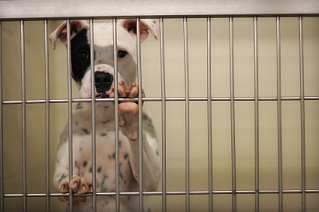 1. What is a "No-Kill" facility?
|
Copyright 2010. All Rights Reserved.
www.dogbreedsinfo.org