DogBreeds Info
Information on Dog Breeds from Ato Z
|
5 Tips To Managing SheddsingDogs
Tip #1 Brush DogsRegularly: Something as simple as brushing theirfur often can make a world of difference in a shedding dog. It gets rid of all of those dead and unwantedhairs and more importantly, it keeps more hair trapped on the brush that cannot get into your furniture. There are quite a few different types of grooming brushes on the market today and they make them with specificbreeds in mind. Be sure to pick up the one that will best suit your dog's fur. Tip #2 Steering Clear ofTicks: It is common sense that if yourcanine has fleas or ticks they are twice as likely to scratch away at their fur all day long. This scratchingcan cause many issues such as dry, flaky skin and also shedding excessively. Get a collar for ticks, or giveyour dog a flea bath often to help ward off those pesky critters. Tip #3 BathingProperly: Many pet owners assume that theiranimal can keep themselves rather clean on their own. This may be the case for most cats, but in truth dogscannot keep themselves totally clean most of the time. They will require some bathing from their owners inmost breeds, once per week. Some canines can go a month or even longer without a bath, but in order to ensurethey do not have dry skin under their fur they need to bath regularly. In doing so they will not only feelcleaner, but they will also stop shedding so often too. Tip # 4 You Are What YouEat: This is to true for humans and theirpets. All dogs require a lot of water consumption and a high amount of fiber and protein also. Ahealthy and balanced meal plan for your pet results in less shedding and better overallhabits. Tip #5 Relax YourPet: Have you ever come across a dog thathas bald areas or patches on their skin? This is usually the result of one of two things, either the animalhas a medical condition causing the fur to fall off or they pull it off on their own as a result of stress. Dogs too can suffer from stress of all kinds, some do not like being alone and some do not like living with otheranimals. If you notice you dog is stressed, try to find the route of the issue right away. They canbegin to miss feedings and start pulling on their fur coats which can lead to more stray hairs flying around theroom. If your pet continues to express these behaviors, then speak to your doctor about them, the animal mayrequire medication of some form to correct it. Related Articles
Reasons to Choose Organic Dog Food The Best Dogs for Senior Citizens Basic Principals for Better Health andSafety of Dogs 5 Ways To Keep Your Dog Healthy and Safe How to Avoid Dehydration for Dogs How to Choose A Dog That's Right For You How to Get Your Dog to Stop Barking How To Avoid Worms In Your Dog Poisons To Keep Away From Your Dog Safety Dogs for Autistic Children Buying a Dog From a Rescue: What To Look OutFor 5 Common Household Toxins and Your Dog 5 Tips For Dog Show Preparation Clipping Dog Nails: A How To Guide Children and Dogs: Is your Child Ready For aDog? Dogs and Fleas: How to Treat Your Dog'sFleas 5 Ways To Exercise With Your Dog Brushing Dog Teeth: A How To Guide Overweight Dog? The Doggy Diet 5 Useful Tips For Dog Paw Care When To Euthanize Your Dog: Making TheDecision How to Stop Your Dog From Jumping 5 Tips To Managing Shedding Dogs Where You Should Look to Find Your Puppy Three Main Keys to Owning a Healthy and HappyDog Dog First Aid: How To Treat Woundsand the Supplies You Need The Options for Paying Those Costly VetBills Tips to Maintain a Healthy Dog or Puppy forLife Things to Consider Before Buying a Puppy Useful Information for Dog Breeding Training Your Dog to Walk with a Leash Most Popular Dog and Puppy Names of 2011 Dealing with your Dog's Sleeping Habits Why You Really Shouldn't Feed Your DogScraps Why Don't Some Dogs Like Strangers? To Breed for the AKC Standards or Not Why You Should Check for Corn in Your DogFood Dealing With Your Dog's Ear Infection Shock Collars and Electric Dog Fences Foods to Keep Away From Your Dog Should You Feed Your Dog a Raw Food Diet? Calming Your Dog Around Thunder Things to Consider When Moving While Owning aDog Why You Should Get Your Dog Fixed Learning to Live With a Dog When You Don'tWant To What to Do if You Are Attacked By a Dog |
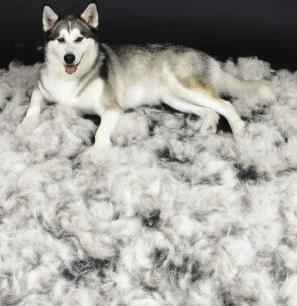 Anytime you become a proud dog owner, you will have to deal with shedding at some point. All dogs shed, no matter what type of canine they are. Long hair ones will shed even more than the short haired varieties, and this will occur more often during certain seasons as well.
|
Copyright 2010. All Rights Reserved.
www.dogbreedsinfo.org