DogBreeds Info
Information on Dog Breeds from Ato Z
|
Buying a Dog From a Rescue: WhatTo Look Out For
Save A Dog For The Right Reasons: Everyone loves a good rescue story, and people adore taking in animals that havelived in poor conditions. With that said, there are people in this world that will adopt a pet just for thesake of saying they did. Not the best reasons to become a pet owner, but this can sometimes pan out well forthe canine. Always adopt a dog with the right intentions, to care for it unconditionally and to have themeans to raise it properly. Why Is The Dog In A Rescue Shelter?: This is a huge misconception, and an unfortunate one at that. Many feel asif all dogs are residing in a shelter of some form because they had bad behavior or because they were saved from apuppy mill. While there are still puppy mills operating that become so overpopulated that they kill theirpuppies they cannot make a profit off of, that is not the only reason your dog came from a shelter. Millionsof dogs each year come from broken homes, homes that the owner went to a nursing facility, the owner has passedaway or simply because they could no longer care for the dog correctly. Can You Properly Care For A Rescued Dog?: Not everyone is equipped to raise an animal. Especially one that potentiallycould have been abused in the past or even saved from a house fire. These are very sensitive dogs at timesand they will require a special person with lots of love to raise them everyday. Take your rescued dog to avet and have them checked over completely, the vet will determine if they need any specialized care and if you needto get them any additional medications or immunizations. Ensure That Your Goal Is Met With Your New Dog: When you do complete the adoption process, having the dog in your home can be anextremely loving reward. Always care for it just as you did the day you adopted it. They are specialtypes of dogs and need to be cared for accordingly. If you feel that your dog still needs some form ofadditional care even with the regular vet visits, then consult with a pet therapist as they may be more inclined toaide you with caring for your dog. Many of them specialize in this type of care and for those that wereabused, they can begin getting your canine on a path of better overall health. Related Articles
Reasons to Choose Organic Dog Food 5 Common Household Toxins and Your Dog The Best Dogs for Senior Citizens Basic Principals for Better Health andSafety of Dogs 5 Ways To Keep Your Dog Healthy and Safe How to Avoid Dehydration for Dogs How to Choose A Dog That's Right For You How to Get Your Dog to Stop Barking How To Avoid Worms In Your Dog Poisons To Keep Away From Your Dog Safety Dogs for Autistic Children Buying a Dog From a Rescue: What To Look OutFor How to Puppy Proof Your Home5 Common Household Toxins and Your Dog 5 Tips For Dog Show Preparation Clipping Dog Nails: A How To Guide Children and Dogs: Is your Child Ready For aDog? Dogs and Fleas: How to Treat Your Dog'sFleas 5 Ways To Exercise With Your Dog Brushing Dog Teeth: A How To Guide Overweight Dog? The Doggy Diet 5 Useful Tips For Dog Paw Care When To Euthanize Your Dog: Making TheDecision How to Stop Your Dog From Jumping 5 Tips To Managing Shedding Dogs Where You Should Look to Find Your Puppy Three Main Keys to Owning a Healthy and HappyDog Dog First Aid: How To Treat Woundsand the Supplies You Need The Options for Paying Those Costly VetBills Tips to Maintain a Healthy Dog or Puppy forLife Things to Consider Before Buying a Puppy Useful Information for Dog Breeding Training Your Dog to Walk with a Leash Most Popular Dog and Puppy Names of 2011 Dealing with your Dog's Sleeping Habits Why You Really Shouldn't Feed Your DogScraps Why Don't Some Dogs Like Strangers? To Breed for the AKC Standards or Not Why You Should Check for Corn in Your DogFood Dealing With Your Dog's Ear Infection Shock Collars and Electric Dog Fences Foods to Keep Away From Your Dog Should You Feed Your Dog a Raw Food Diet? Calming Your Dog Around Thunder Things to Consider When Moving While Owning aDog Why You Should Get Your Dog Fixed Learning to Live With a Dog When You Don'tWant To What to Do if You Are Attacked By a Dog |
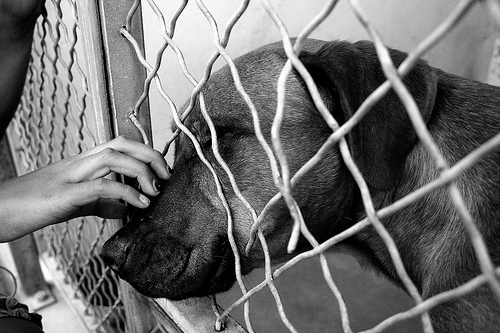 Becoming the proud owner of a dog is such a joyful experience, you can feel their unconditional love and support from day one that they enter your home. They love your affection and even just your presence, especially if the animal is coming from a shelter. When you are buying a dog from a rescue, what to look out for is signs of abuse or poor health. These can be the reasons the canine is in a shelter, but also you need to be aware of how to care for animals that have suffered from these types of conditions.
|
Copyright 2010. All Rights Reserved.
www.dogbreedsinfo.org