DogBreeds Info
Information on Dog Breeds from Ato Z
|
Dealing With DogNipping
What is DogNipping?: Nipping is when the dog engages insome form of biting or just nipping at the fingers. This is more widely spread with younger pups than it iswith older dogs. Most puppies will grow out of this behavior and in the event they do not, there are severalways to help the cause. This whole process is natural and usually is not an issue once they are taught not todo it. Why Do TheyNip?: All dogs learn about theirsurroundings through their mouths. It is not a true form of being overly aggressive or displaying badbehavior as much as it is a form of learning as a puppy. Most dogs only engage in it merely as a way to playwith others. They also use the same form of nipping to play with their siblings aswell. How To Stop DogNipping: Just as some children will be pottytrained at an early age, some dogs will stop their puppy behaviors at an early age as well. This will dependon what type of dog owner you are, some will have no issue with their dog slightly nipping at their fingers wholeothers will be bothered by it. One method is to show your dog that you are in pain when he does this act andturn away from the animal. They do not take pleasure in hurting their owners and will learn instantly thatthis is not something they should be doing. Dogs will also stop nipping so often if they have something elseto divert their attention to, such as chewing toys and bones. Dogs are very similar to little ones as theytoo can benefit from a time out period in a crate or some form of isolation until they learn to stop thenipping. Patience Is Free WhenTraining Your Dog Not to Nip: Puppy training can be a lot ofwork. Some days you may feel overwhelmed and thankfully this process does become much easier withtime. As the dog progresses it slows down what poor behaviors they may have been expressing. Theybecome more attentive and are more willing to do what they are told. Always reward your dog when they arelearning to stop the nipping. When they stop the nipping act just as you correct it, they should be rewardedeither by petting, giving a treat or some other form of affection. Always maintain your cool and never hurt adog for nipping as they will grow out of this behavior. Related Articles
Reasons to Choose Organic Dog Food The Best Dogs for Senior Citizens Basic Principals for Better Health andSafety of Dogs 5 Ways To Keep Your Dog Healthy and Safe How to Avoid Dehydration for Dogs How to Choose A Dog That's Right For You How to Get Your Dog to Stop Barking How To Avoid Worms In Your Dog Poisons To Keep Away From Your Dog Safety Dogs for Autistic Children Buying a Dog From a Rescue: What To Look OutFor 5 Common Household Toxins and Your Dog 5 Tips For Dog Show Preparation Clipping Dog Nails: A How To Guide Children and Dogs: Is your Child Ready For aDog? Dogs and Fleas: How to Treat Your Dog'sFleas 5 Ways To Exercise With Your Dog Brushing Dog Teeth: A How To Guide Overweight Dog? The Doggy Diet 5 Useful Tips For Dog Paw Care When To Euthanize Your Dog: Making TheDecision How to Stop Your Dog From Jumping 5 Tips To Managing Shedding Dogs Where You Should Look to Find Your Puppy Three Main Keys to Owning a Healthy and HappyDog Dog First Aid: How To Treat Woundsand the Supplies You Need The Options for Paying Those Costly VetBills Tips to Maintain a Healthy Dog or Puppy forLife Things to Consider Before Buying a Puppy Useful Information for Dog Breeding Training Your Dog to Walk with a Leash Most Popular Dog and Puppy Names of 2011 Dealing with your Dog's Sleeping Habits Why You Really Shouldn't Feed Your DogScraps Why Don't Some Dogs Like Strangers? To Breed for the AKC Standards or Not Why You Should Check for Corn in Your DogFood Dealing With Your Dog's Ear Infection Shock Collars and Electric Dog Fences Foods to Keep Away From Your Dog Should You Feed Your Dog a Raw Food Diet? Calming Your Dog Around Thunder Things to Consider When Moving While Owning aDog Why You Should Get Your Dog Fixed Learning to Live With a Dog When You Don'tWant To What to Do if You Are Attacked By a Dog |
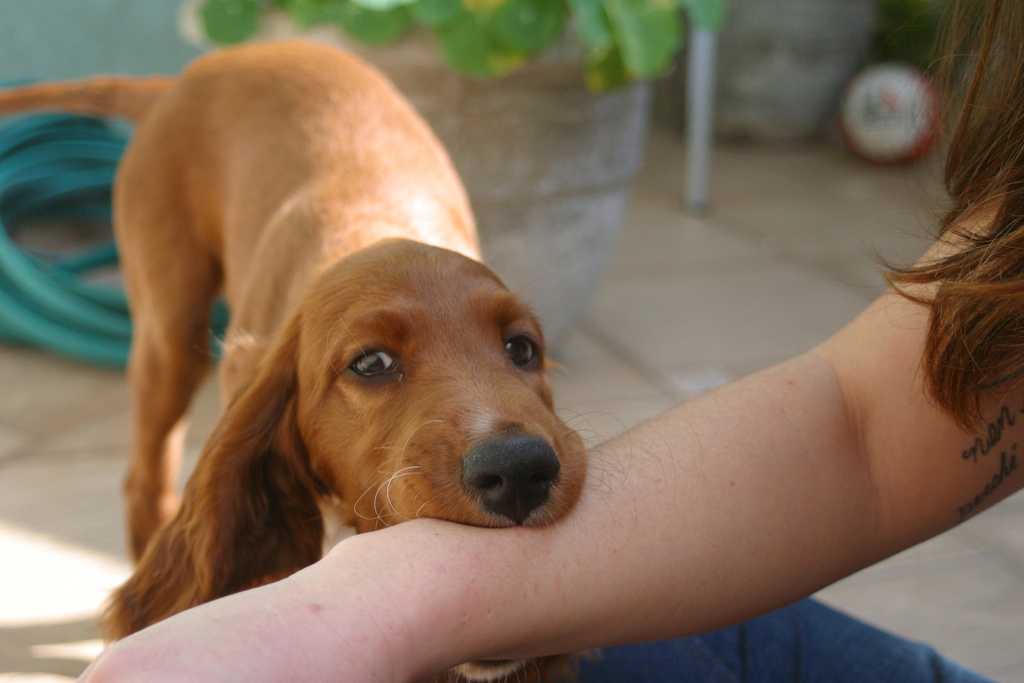 Having a dog in the home can provide years of affection and a friendly companion for loads of great memories. Getting a puppy from the full of energy stage to the calm and reserved adult stage of a canine's life can require some work on the owners part. Puppies for example, have a tendency to jump and even bite sometimes. You may be wondering how to begin dealing with dog nipping and help is on the way!
|
Copyright 2010. All Rights Reserved.
www.dogbreedsinfo.org