DogBreeds Info
Information on Dog Breeds from Ato Z
|
Dogs and Fleas: How to Treat Your Dog'sFleas
Signs Of Your Dog HavingFleas: The dog will generally have a fewsymptoms that will alert you to begin treating it. For example, they will scratch and bite their fur andbecome very irritated rather easily. Search through the fur coat and help your dog get rid of the fleas thatare in hard to reach areas that can be very upsetting to the animal. Step #1 Start With A FleaBath: The great thing about fleas is thatyou can usually get rid of them rather easily. They can be washed down the drain in minutes giving your dogrelief that he so badly craves. Using a flea shampoo will get the job done in most cases and you can evencreate your own mixture if you do not have one at your fingertips. Using apple cider and regular old dishwashing detergent you can get a lathering flea bath for your canine going in no time. Step #2 Use A CombingTechnique: Once you have completed the fleabathing practice, you must use a comb on your dog to get the job done. Make sure you use a wide tooth combfor dogs that have thick fur coats to not hurt them when combing. Do this at least once per day until youbegin noticing a difference in your dog. Less scratching and more normal behavior that you are accustomed toseeing your dog behave like will show you the fleas are going away. Step #3 Get AFlea Collar: A flea collar is a great idea, but ithas to be a part of the entire process. You cannot just give your dog a flea collar and expect them to beflea free, as they will need to have the bath and the combing done as well. The collar cannot get wet and theanimal cannot chew on it either as that can be very dangerous. They are not safe for puppieseither. Step #4 Utilize FleaPowders: These can be in the form of powdersor sprays and can be sprayed directly on the dog. The spray forms are good for a short term treatment, whilethe powders can be much more effective long term. Some people do not like the powders as you need to rub themin quite a bit to get the best effectiveness. Step #5 Clean TheEntire Area: Wherever your dog has been, odds arethere will be traces of fleas about. You must treat the areas with a cleanser or flea treatment of someform. Using a vacuum and fabric cleaners to make the spaces flea free are necessary to prevent infection andclean the rooms. Related Articles
Reasons to Choose Organic Dog Food The Best Dogs for Senior Citizens Basic Principals for Better Health andSafety of Dogs 5 Ways To Keep Your Dog Healthy and Safe How to Avoid Dehydration for Dogs How to Choose A Dog That's Right For You How to Get Your Dog to Stop Barking How To Avoid Worms In Your Dog Poisons To Keep Away From Your Dog Safety Dogs for Autistic Children Buying a Dog From a Rescue: What To Look OutFor 5 Common Household Toxins and Your Dog 5 Tips For Dog Show Preparation Clipping Dog Nails: A How To Guide Children and Dogs: Is your Child Ready For aDog? Dogs and Fleas: How to Treat Your Dog'sFleas 5 Ways To Exercise With Your Dog Brushing Dog Teeth: A How To Guide Overweight Dog? The Doggy Diet 5 Useful Tips For Dog Paw Care When To Euthanize Your Dog: Making TheDecision How to Stop Your Dog From Jumping 5 Tips To Managing Shedding Dogs Where You Should Look to Find Your Puppy Three Main Keys to Owning a Healthy and HappyDog Dog First Aid: How To Treat Woundsand the Supplies You Need The Options for Paying Those Costly VetBills Tips to Maintain a Healthy Dog or Puppy forLife Things to Consider Before Buying a Puppy Useful Information for Dog Breeding Training Your Dog to Walk with a Leash Most Popular Dog and Puppy Names of 2011 Dealing with your Dog's Sleeping Habits Why You Really Shouldn't Feed Your DogScraps Why Don't Some Dogs Like Strangers? To Breed for the AKC Standards or Not Why You Should Check for Corn in Your DogFood Dealing With Your Dog's Ear Infection Shock Collars and Electric Dog Fences Foods to Keep Away From Your Dog Should You Feed Your Dog a Raw Food Diet? Calming Your Dog Around Thunder Things to Consider When Moving While Owning aDog Why You Should Get Your Dog Fixed Learning to Live With a Dog When You Don'tWant To What to Do if You Are Attacked By a Dog |
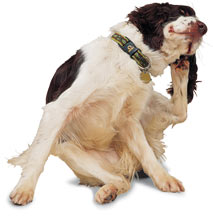 Unfortunately, all dogs will get fleas at some point. Some cats as well, but this is usually an unavoidable issue that can create a real problem if you do not catch it in time. Fleas can spread all over the home and even get on your clothes and your own skin. You need to learn how to treat your dog's fleas to prevent any problems in the future.
|
Copyright 2010. All Rights Reserved.
www.dogbreedsinfo.org