DogBreeds Info
Information on Dog Breeds from Ato Z
|
Dealing with your Dog's SleepingHabits
An exhausted dog is a happy dog, andwhen we say “exhausted,” we mean a dog that’s gotten plenty of exercise during the day. It’s a very common problemto have a dog that’s wide awake when you’re trying to crawl into bed, resulting in a match of wits against ahyperactive canine. Spoiler: you won’t win. That’s why one of the best things you can do for yourself and your dogis to ensure they are getting a good workout during the active hours of the days, or that they have a method ofgetting out their extra energy on their own. Those without a lot of time, a laser pointer does wonders to get yourdog a lot of back-and-forth running in a quick amount of time. When bringing a dog up from a puppy,you’ll also want to decide where he’ll be sleeping. A lot of dog owners say that their pooh will not be allowed tosleep on the bed with them, but that gets overturned rather quickly if no set alternative plan is taught in itsplace. Most dogs want to be right up there on the bed with you, so unless you’ve been actively teaching them tosleep on their own bed, you’re out of luck for a while. Should you prefer your own space whensleeping, set up a specific location in your house or the bedroom itself that will be designated as the dog’s bed,then encourage them through repeated instances of showing them to their bed and training them to lay down. Don’tlet up on this, otherwise they’ll just assume they can get away with whatever they want. A good alternative is akennel or crate set up to have a little bed inside, or a separate room with a dog bed laid out. Consistency is keyhere. Changing up the order of things will confuse your dog and may result in late night howlings as they don’tunderstand the adjustment at all. One option is to put your dog out inthe backyard at night, though this should only be done if a certain group of conditions can be met. First, you’llwant to make sure you have a backyard that’s fenced in, specifically a fence that your dog can’t leap over or digunder. Next, you’ll want to make sure your dog isn’t usually the howling or barking type, otherwise they could beup all night annoying the neighbors. Also, you’ll want to prepare for the climate of your area, so while it’snecessary to have a specific enclosed shelter for the dog, be it a doghouse or kennel, you’ll need to change thingsdepending on how rainy, windy, or cold it gets during the night. You don’t want to leave your dog out every nightwhen the temperature is cold enough to freeze them, even in their doghouse. No matter what you do, just make sureyou’re doing it out of love. If you’re adopting a puppy and don’t want to make any sacrifices whatsoever, you maywant to look elsewhere for companionship. Your dog will want to sleep in the bed next to you, so be ready todetermine just how far you’d like to enforce the rules.
Related Articles
Reasons to Choose Organic Dog Food The Best Dogs for Senior Citizens Basic Principals for Better Health andSafety of Dogs 5 Ways To Keep Your Dog Healthy and Safe How to Avoid Dehydration for Dogs How to Choose A Dog That's Right For You How to Get Your Dog to Stop Barking How To Avoid Worms In Your Dog Poisons To Keep Away From Your Dog Safety Dogs for Autistic Children Buying a Dog From a Rescue: What To Look OutFor 5 Common Household Toxins and Your Dog 5 Tips For Dog Show Preparation Clipping Dog Nails: A How To Guide Children and Dogs: Is your Child Ready For aDog? Dogs and Fleas: How to Treat Your Dog'sFleas 5 Ways To Exercise With Your Dog Brushing Dog Teeth: A How To Guide Overweight Dog? The Doggy Diet 5 Useful Tips For Dog Paw Care When To Euthanize Your Dog: Making TheDecision How to Stop Your Dog From Jumping 5 Tips To Managing Shedding Dogs Where You Should Look to Find Your Puppy Three Main Keys to Owning a Healthy and HappyDog Dog First Aid: How To Treat Woundsand the Supplies You Need The Options for Paying Those Costly VetBills Tips to Maintain a Healthy Dog or Puppy forLife Things to Consider Before Buying a Puppy Useful Information for Dog Breeding Training Your Dog to Walk with a Leash Most Popular Dog and Puppy Names of 2011 Dealing with your Dog's Sleeping Habits Why You Really Shouldn't Feed Your DogScraps Why Don't Some Dogs Like Strangers? To Breed for the AKC Standards or Not Why You Should Check for Corn in Your DogFood Dealing With Your Dog's Ear Infection Shock Collars and Electric Dog Fences Foods to Keep Away From Your Dog Should You Feed Your Dog a Raw Food Diet? Calming Your Dog Around Thunder Things to Consider When Moving While Owning aDog Why You Should Get Your Dog Fixed Learning to Live With a Dog When You Don'tWant To What to Do if You Are Attacked By a Dog |
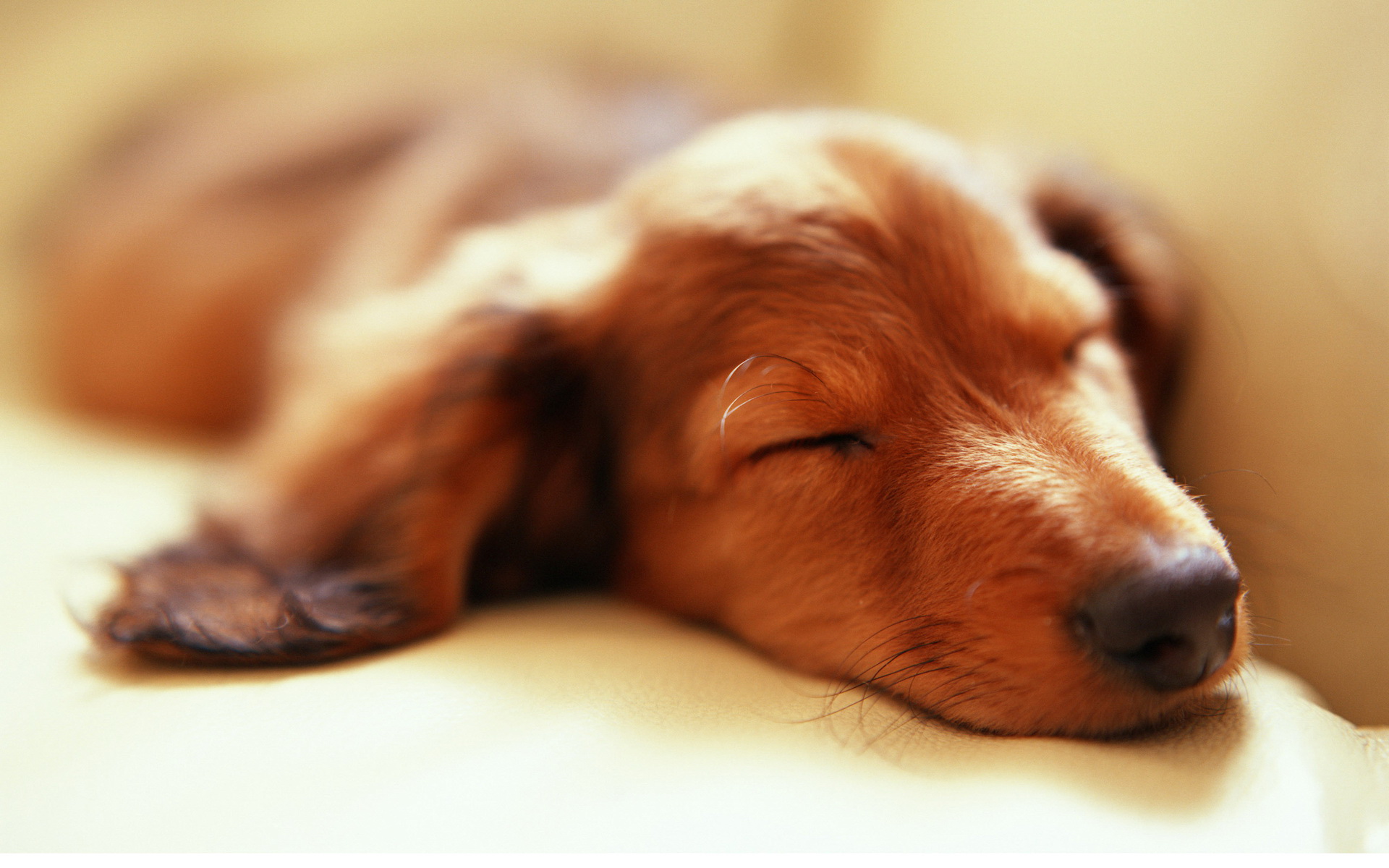 If you’ve never owned a dog, you don’t tend to think about the ramifications to your own sleeping habits much. Puppies are very impressionable and will start to learn certain things based on how you live your daily life, very specifically when and where to sleep. If you weren’t prepared to adjust your own sleeping schedule, or make sure your pup knows where the boundaries are, you’ll need to be prepared to make some adjustments. Here are some things to consider when dealing with your dog’s sleeping habits.
|
Copyright 2010. All Rights Reserved.
www.dogbreedsinfo.org